


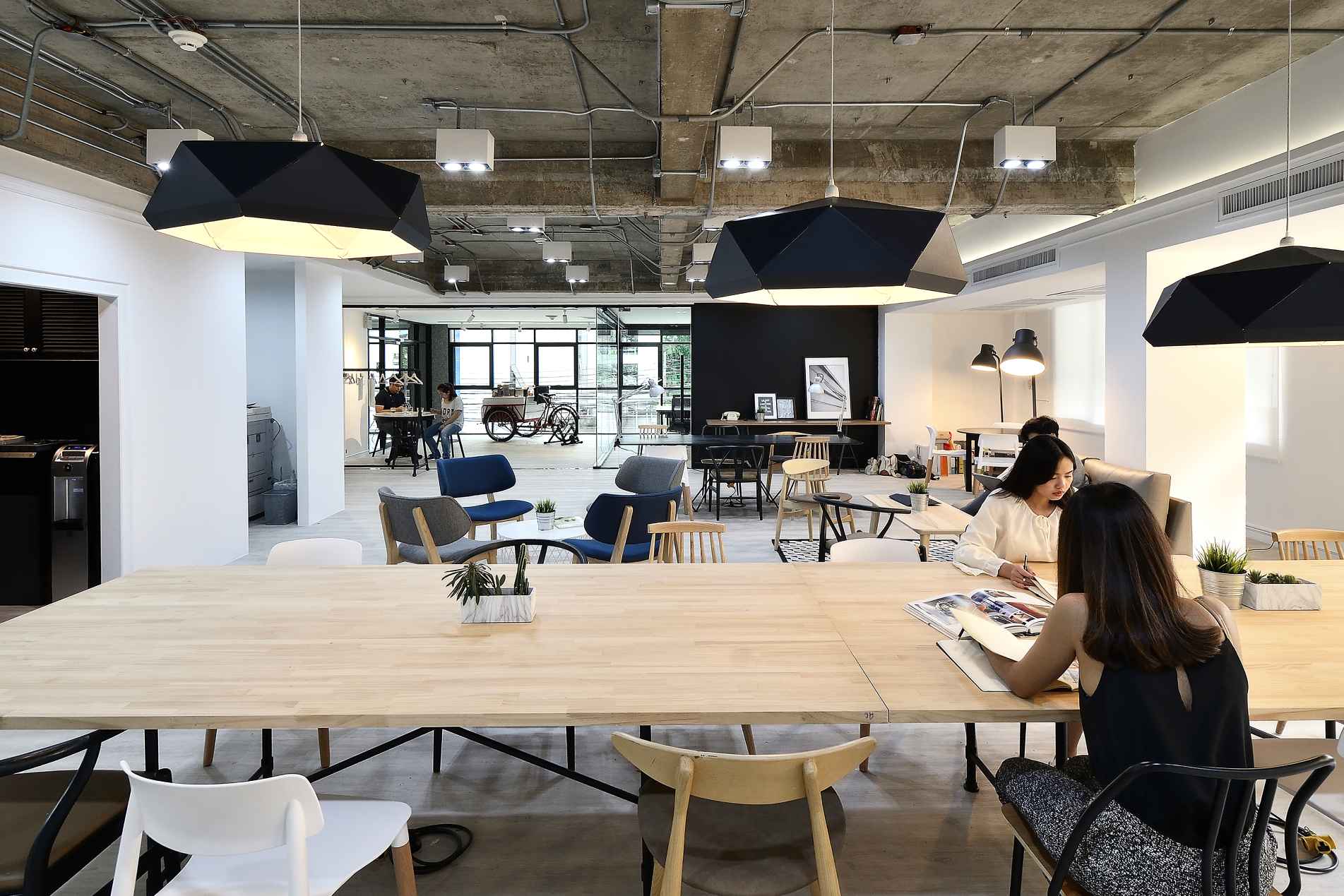
“Design is not just what it looks like and feels like. Design is how it works.” – Steve Jobs
But what if how it works also includes how it flows—energetically?
In today’s fast-paced, hyperconnected world, we are increasingly investing in spaces that look beautiful—sleek hotel lobbies, minimalist workspaces, Instagrammable cafés. But the truth is, visual aesthetics alone are no longer enough. We crave more than beauty. We crave balance, clarity, and connection—the invisible qualities that make a space feel right even before we can explain why.
And that’s where Feng Shui enters the conversation.
The Blind Spot in Modern Interior Design
As an interior designer with over 25 years of experience designing corporate offices across Asia—working with tech giants, creative startups, and legacy institutions—I’ve come to a quiet realization:
Most design briefs begin with function and end with form. But they rarely ask:
“How does this space affect the energy of the people inside it?”
This is not a mystical question. It’s a human one.
Every day, leaders sit in boardrooms that subtly deplete their focus. Teams brainstorm in rooms where ideas feel stuck. Homeowners live in houses that never quite feel like home. These are not just psychological experiences—they’re spatial and energetic ones.
Feng Shui, when correctly applied, helps unlock these blockages. It’s not just a decorative add-on. It’s a strategic layer of intelligence that can elevate interior design from good-looking to deeply supportive.
The Misconception: Feng Shui is About Luck or Superstition
Let’s set the record straight: Feng Shui is not about placing a money frog near your entrance or hanging wind chimes for luck.
Rooted in over 3,000 years of Chinese metaphysical wisdom, Feng Shui is a system of understanding how energy (Qi) moves through physical space, and how that movement impacts human behavior, well-being, and outcomes.
It considers:
- Orientation and compass directions
- Spatial symmetry and elemental balance (Wood, Fire, Earth, Metal, Water)
- Time cycles and environmental context
- Relationship between the building and its inhabitants
When used correctly, Feng Shui helps you answer:
- Where should the CEO sit to enhance clarity and decision-making?
- How can a meeting room encourage smoother communication and faster consensus?
- Is the entrance channeling positive energy—or leaking opportunities?
Energy as a Business Strategy
What if I told you that a single desk relocation improved a founder’s focus and revenue within 60 days?
I’ve witnessed this firsthand.
In one project, a creative agency’s leadership team struggled with constant misalignment and delayed client approvals. After a Feng Shui audit, we discovered that key decision-makers were seated in zones that conflicted with their personal elemental charts. By redesigning the team’s seating and adjusting the internal layout to support collaboration and authority flow, the company saw a measurable improvement in turnaround time, morale, and even deal velocity.
It wasn’t magic. It was energy-aligned design.
A Design Renaissance: Marrying Aesthetics and Energy
Feng Shui doesn’t compete with good design—it enhances it.
Imagine a space that:
- Feels immediately calming yet subtly energizing
- Enhances your focus, sleep, or creative flow
- Supports the personal energy of the people who live or work there
- Aligns the spatial narrative with the company’s long-term vision
This is the future of design: conscious, contextual, and energetically aligned.
In fact, we’re already seeing a quiet renaissance. From Silicon Valley CEOs hiring metaphysical consultants, to luxury hotels embedding ancient spatial wisdom into modern architecture, Feng Shui is being rediscovered—not as a superstition, but as a strategy.
The QiWish Philosophy: Designing With Energy in Mind
At QiWish, we believe design is not just about what you see—it’s about what you feel.
Our framework blends:
- Interior design expertise from 25+ years in Asia’s corporate landscape
- Authentic Feng Shui practices, rooted in classical Chinese metaphysics and time-tested principles
- Business strategy alignment based on space-user-energy synergies
We don’t just design spaces. We design renewal, resonance, and results—all through the power of space.
Final Thought
In a world increasingly overwhelmed by noise, design must become more than decoration.
It must become direction.
As we step into an era that values inner balance as much as external success, the most competitive edge we can offer—whether in leadership, branding, or wellbeing—is this:
Spaces that support your energy will support your growth.
That’s not superstition. That’s strategic design.